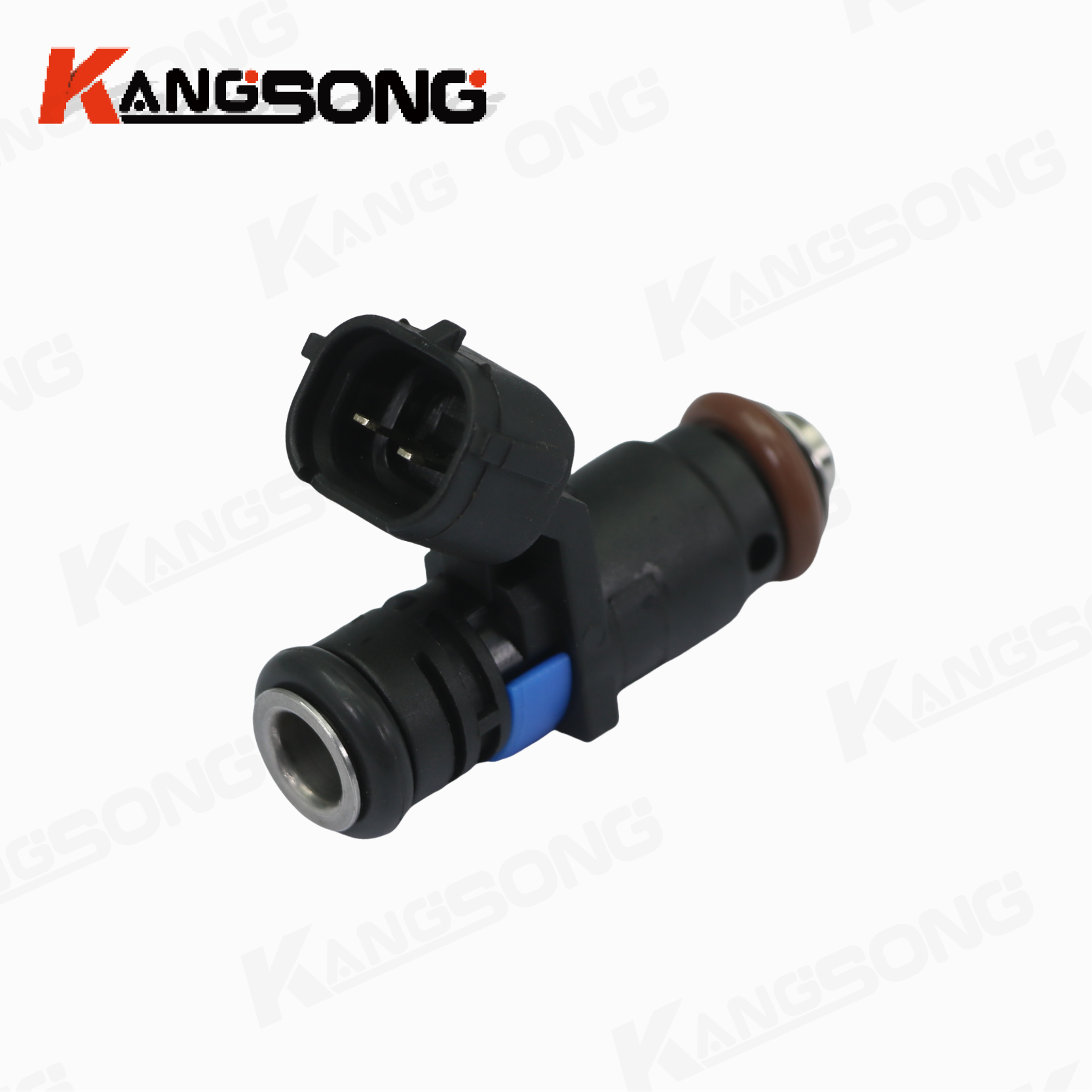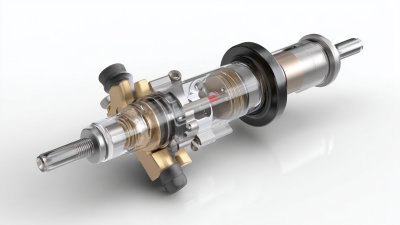
Your vehicle’s Fuel Pump Assembly Oil Level is actually pretty important for smooth operation. It really makes a difference in how well your engine runs. Keeping the oil at the right level helps the fuel pump do its job properly. When the oil gets too low, it can lead to extra wear and tear, which might mean costly repairs down the road, you know?
A lot of folks don’t really pay attention to this until something’s wrong—sometimes it’s kinda late then. And honestly, not enough oil can even mess with your fuel efficiency. When the fuel pump is well-lubricated, it delivers better fuel pressure, making everything run smoother. But if those oil levels keep jumping around, it’s natural to start wondering if your vehicle is reliable. That’s why it’s so important to check the oil regularly—prevents those surprise breakdowns.
Getting a grip on why the Fuel Pump Assembly Oil Level matters can totally encourage you to stay ahead of problems. And that’s where auto experts like AutoTech Services come into play—they’re great for giving tips on keeping your oil levels in check. Unfortunately, a lot of people still overlook this simple but crucial detail, and that can lead to some pretty serious issues. So yeah, pay attention to this stuff—your car will thank you for it.
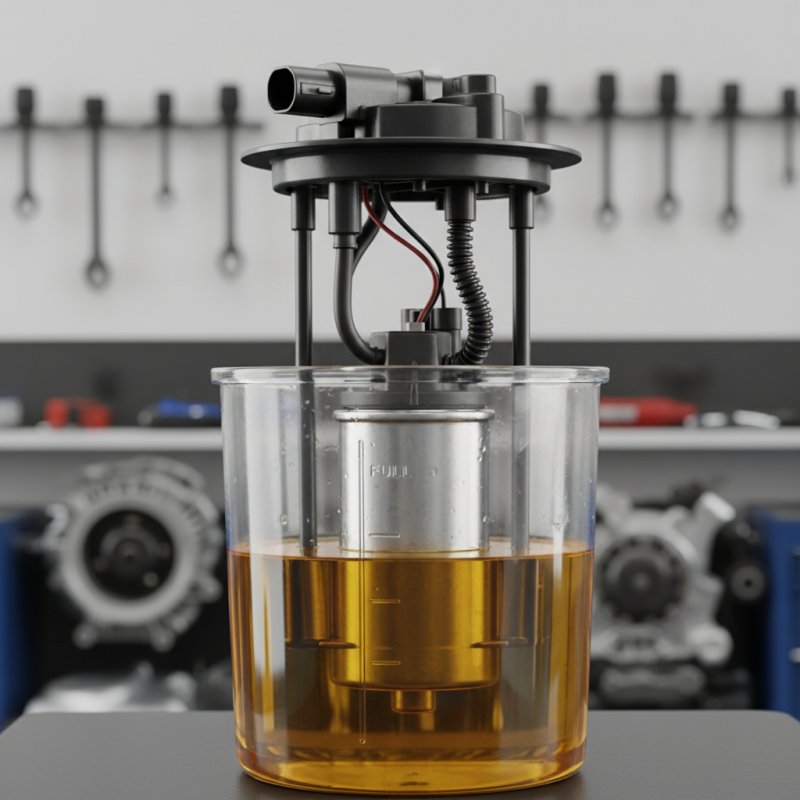
The fuel pump assembly plays a crucial role in vehicle performance. It ensures a steady flow of fuel to the engine. Without it, your car won't run smoothly, or it may not start at all. A well-functioning fuel pump keeps your engine fed with the right amount of fuel. This balance is essential for optimal combustion and, ultimately, power.
When the oil level in the fuel pump assembly is low, problems arise. Insufficient oil can lead to overheating and wear. You may notice decreased acceleration or strange noises while driving. This might indicate that your fuel pump struggles to function properly. Regular monitoring of the oil level can prevent major issues down the line.
Sometimes, drivers overlook the importance of the fuel pump assembly. They might not pay thought to its condition until it's too late. Ignoring signs can lead to costly repairs. A little attention can go a long way in maintaining vehicle health. Regular checks and maintenance are part of responsible car ownership.
The oil level in fuel pump assemblies plays a crucial role in vehicle performance. Insufficient oil levels can cause overheating, which risks damage to the entire fuel system. According to industry reports, a mere 10% drop in oil levels can lead to significant wear on critical components. This issue often goes unnoticed until it causes major failures.
Monitoring your fuel pump assembly's oil level is vital. Regular checks ensure that the pump runs smoothly, maintaining performance. A well-lubricated pump can operate efficiently, delivering the right fuel pressure. Some studies suggest that proper lubrication can enhance fuel efficiency by up to 15%.
Tip: Schedule routine inspections of your fuel system. Keeping an eye on oil levels can prevent costly repairs down the road. Remember, oil isn't just oil; it’s a lifeline for your fuel system.
Tip: Use quality oil that meets specifications. Low-quality oil can degrade faster, increasing risks for your vehicle. Contaminated oil might require more frequent changes. A small oversight can lead to bigger problems.
Low oil levels in fuel pump assemblies can lead to significant vehicle issues. When the oil level is low, the pump struggles to operate efficiently. This can cause overheating, reduced fuel delivery, and even complete pump failure. A failing fuel pump can leave you stranded. Regularly checking and maintaining oil levels can prevent this.
One common problem from low oil is erratic engine performance. You might notice stalling or rough idling. This often stems from insufficient fuel pressure. Additionally, low oil can cause internal wear within the pump. Over time, this can lead to costly repairs. Ignoring these signs might result in a total fuel pump breakdown.
Moreover, low oil levels can impact fuel efficiency. With reduced delivery, the engine works harder. This inconsistency leads to poor fuel mileage. Many drivers overlook the small details like oil levels, but they matter greatly. Recognizing and addressing these issues early can save time and expenses.
| Issue | Symptoms | Consequences | Prevention |
|---|---|---|---|
| Low Oil Level | Engine misfires, difficulty starting | Engine damage, fuel pump failure | Regular oil level checks |
| Oil Contamination | Unusual noises, reduced performance | Clogged filters, pump wear | Use high-quality oil; regular maintenance |
| Overheating | High temperature readings, engine knocking | System failures, increased repair costs | Ensure proper cooling and oil levels |
| Oil Leaks | Puddles under vehicle, low oil warning light | Loss of oil, potential engine failure | Regular inspections and prompt repairs |
The quality of oil in a fuel pump assembly plays a crucial role in the efficiency of vehicle performance. High-quality oil ensures smooth operation. It reduces friction and wear on moving parts. According to a report from the Society of Automotive Engineers, low oil quality can decrease pump efficiency by up to 30%. This decline can lead to increased fuel consumption.
Oil contaminants can significantly impact the fuel pump. Dirt and debris find their way into the oil, leading to clogging. A study indicated that foreign particles can shorten the lifespan of a fuel pump by nearly 50%. Regular oil analysis can prevent these issues. It helps identify potential problems before they escalate. Vehicles using oil with proper additives tend to show better fuel efficiency.
Vehicle owners often overlook the oil level in the fuel pump assembly. This oversight can cause severe damage over time. A balanced oil level keeps the pump lubricated and minimizes risk. Using oil that meets industry standards is essential. It’s not always easy to choose the right oil. Conducting regular maintenance checks can prevent costly repairs. Small actions today can lead to significant benefits tomorrow.
The oil level in the fuel pump assembly plays a crucial role in vehicle performance. Poor oil levels can lead to pump failure and reduce efficiency. According to a 2022 report by the Automotive Engineering Society, optimal oil levels are essential for maintaining proper lubrication and cooling for fuel pumps.
Industry standards recommend specific oil levels, often measured in milliliters. For instance, the optimal range for many fuel pumps is between 30 to 50 mL of oil. Deviating from this range can cause overheating. In 2023, research showed that fuel pumps operating with low oil levels can wear down 40% faster than those maintained within standard limits.
Yet, many vehicle owners overlook this aspect. A study indicated that 25% of surveyed drivers were unaware of the importance of oil levels in their fuel pump assemblies. This lack of knowledge can lead to costly repairs. Regular checks and maintenance can mitigate issues. Tracking oil levels is essential for long-term vehicle health. Ignoring these guidelines can have dire consequences.
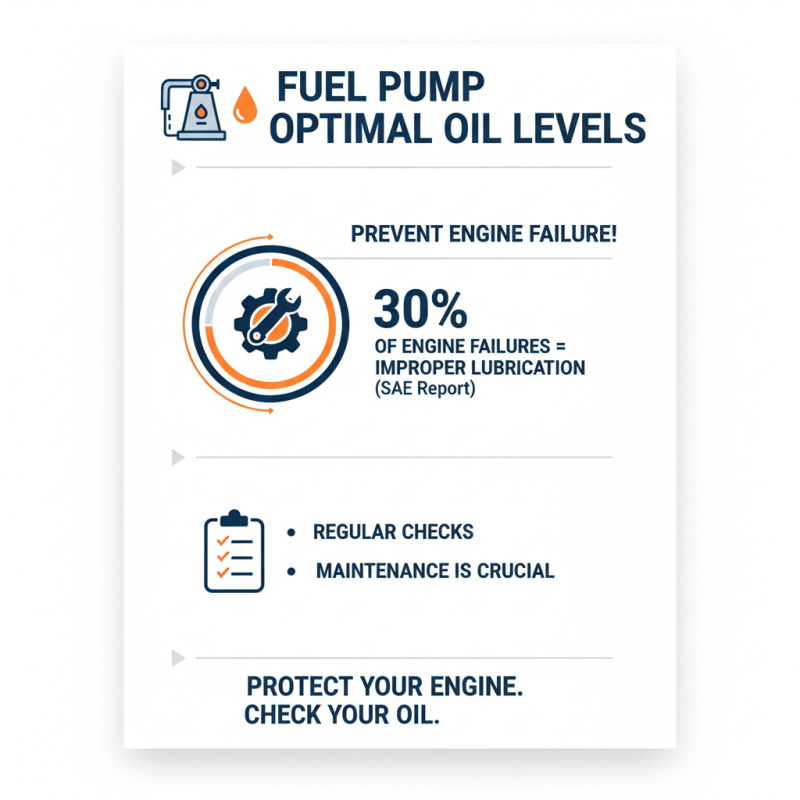
Maintaining optimal oil levels in your fuel pump assembly is crucial. Regular checks can prevent severe engine issues. A report by the Society of Automotive Engineers shows that 30% of engine failures are linked to improper lubrication. This highlights the importance of regular maintenance.
Oil levels directly affect pump performance. Low oil can lead to overheating, causing the pump to fail. A study revealed that about 20% of vehicles experience fuel pump failure due to neglecting oil levels. This is often overlooked in routine service checks. Short intervals between oil changes can help avoid this situation.
Besides performance, maintaining proper oil levels extends vehicle lifespan. A well-lubricated fuel pump works efficiently and consumes less energy. However, many drivers tend to forget this maintenance aspect. Poor habits lead to unnecessary repairs, reflecting a lack of awareness. Taking proactive steps can significantly enhance vehicle reliability and performance.
A well-functioning fuel pump assembly is crucial for your vehicle.
Warning signs can help you identify when attention is needed.
Unusual noises from the pump are a red flag. If you hear whining or grinding sounds, it might indicate wear or damage.
According to automotive experts, about 10% of fuel pump failures are due to lack of maintenance.
Another sign is difficulty starting the engine. If your vehicle hesitates or stalls, the fuel pump may not be delivering enough fuel.
Data reveals that 15% of drivers experience fuel delivery issues, often linked to the pump assembly.
Additionally, a drop in fuel efficiency can indicate problems. If your fuel consumption climbs unexpectedly, it’s time to have the pump checked.
Even a low fuel level can lead to serious issues. Fuel pumps rely on gasoline for cooling and lubrication.
Running low on fuel can cause the pump to overheat. It's essential to monitor the fuel gauge regularly.
A proactive approach to vehicle maintenance can save you costly repairs down the road.
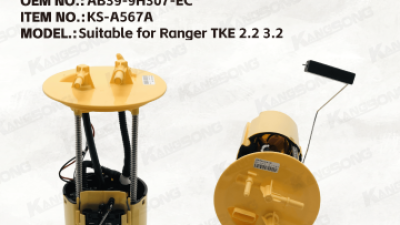
The Ranger Fuel Pump Assembly plays a crucial role in maintaining the efficiency and performance of vehicles like the Ranger TKE models. When considering replacements or upgrades, understanding compatibility with specific engine types is essential. The KS-A567A and AB39-9H307-EC are noteworthy numbers, particularly suited for Ranger TKE 2.2 and 3.2 variants. This compatibility ensures that drivers can find a reliable solution that matches the specifications of their vehicle.
The Ranger TKE 2.2 TDCi 4x4, manufactured from April 2011 to December 2019, features a powerful 2198 ccm engine with an output of 110 KW or 150 PS. Similarly, the Ranger TKE 3.2 TDCi also produced within the same time frame has a larger 3198 ccm engine delivering 147 KW or 200 PS. Both models benefit significantly from a fuel pump assembly that meets the OE number AB39-9H307-EC, allowing for seamless installation and optimal engine performance. By choosing the correct pump assembly, vehicle owners can ensure efficiency, reliability, and longevity for their Ranger trucks.
: It serves to enhance daily efficiency and productivity. Use it to simplify tasks and make schedules easier.
Anyone can benefit, especially busy professionals or students. It’s designed for those managing time constraints.
Begin by downloading the app or setting up the device. Follow the instructions provided for easy setup.
Some users report connectivity problems. It's frustrating but often fixes with a simple restart or update.
Regular updates are advised for optimal performance. Check for updates at least once a month, if not more.
Basic features may work offline, but limitations apply. It's better to connect for full functionality and features.
Use the password recovery option available on the login screen. It’s straightforward but may take a few minutes.
Yes, support is accessible via email or chat. Responses may vary; patience can lead to a useful solution.
Yes, there are several customizable settings. Explore the options to tailor the product to your preferences.
It appeals to various age groups but may require guidance for younger users. Adjust settings for appropriate use.
The Fuel Pump Assembly Oil Level is crucial for maintaining optimal vehicle performance. Proper oil levels ensure that the fuel pump operates efficiently, reducing wear and tear on components. Understanding the significance of oil levels in fuel pump assemblies helps prevent common issues such as overheating and decreased fuel delivery, which can severely impact vehicle functionality.
Low oil levels can lead to a range of problems, including increased friction and potential pump failure. Additionally, the quality of oil used plays a significant role in the efficiency of the fuel pump. Following industry standards for oil levels and conducting regular maintenance checks are essential practices for vehicle longevity. Vehicle owners should be vigilant for signs that their Fuel Pump Assembly needs immediate attention to avoid costly repairs and ensure smooth operation.