You know, the automotive world is really going through a big change right now. They're focusing more on making vehicles both
smarter and more
eco-friendly. A big part of this shift is the innovation in fuel pump technology—stuff
like the Baic Fuel Pump. It’s pretty impressive because it helps deliver fuel more precisely, which means better engine
performance and fuel efficiency. These fuel pumps don’t just improve how engines run; they also help cut down emissions,
aligning with global efforts to protect our planet.
Zhejiang Kangsong Power Technology Co., Ltd., a pretty innovative high-tech company founded back in 2004, is leading the
charge here. They were the first in the country to develop a brushless fuel pump, which is a big deal.
Kangsong keeps pushing forward with research and development in electronic fuel injection systems and assembly tech, really
helping shape what the future of cars looks like.
Anyway, this article dives into how Baic Fuel Pumps are making a difference in today’s
vehicles and how they’re helping push the industry toward better
performance and sustainability.
Understanding Automotive Efficiency and Its Importance in Modern Vehicles
Nowadays, when we talk about cars, efficiency is pretty much a big deal. It’s all about making vehicles more sustainable and saving money, right? So, efficiency covers a bunch of stuff—from how good a car is on fuel to the latest tech that gets added in. Since more folks are into eco-friendly options, demand for smart parts like fuel pumps has skyrocketed. These little guys do more than just keep the fuel flowing; they actually help boost overall car performance too. That’s why they’re so important if we’re serious about greener rides.
And then there’s the whole electric vehicle boom. Sales are expected to hit over 17 million in 2024, which really shows how much the industry is shifting gears toward electrification. To keep up, automakers are turning to fancy tech like electronic hydraulic power steering—a neat way to save energy. As the industry pushes for higher efficiency standards, the role of critical parts like fuel pumps becomes even more crucial. Innovations here are key—they help make cars perform better and cut down on emissions. Overall, these improvements are what will really push us toward a more sustainable future in the automotive world.
The Evolution of Fuel Pump Technology and Its Impact on Performance
You know, the way fuel pump tech has evolved over the years has really been a game-changer for how our cars perform and run more efficiently. These days, modern fuel pumps—especially the brushless ones from companies like Zhejiang Kangsong Power Technology—have totally upped the reliability and lifespan of fuel delivery systems. Instead of using those worn-out mechanical brushes in traditional pumps, these new designs cut down on friction and wear, which means they work more smoothly and sip less energy. I came across a report from MarketsandMarkets that says the automotive fuel pump market is set to grow at about 6.15% annually between 2023 and 2028—mainly because everyone wants fuel-efficient vehicles these days.
If you're thinking about replacing or upgrading your fuel pump, a couple of things to keep in mind are durability and noise reduction—these little details can really affect your driving experience. And don’t forget, regular check-ups or maintenance can help keep your fuel pump running at its best.
Oh, and another big leap in this tech world is switching over to electronic fuel injection, or EFI. This system not only boosts how well your car performs but also helps cut down on emissions, which is a win for the environment and for meeting tighter regulations. Zhejiang Kangsong Power, being a leader in making brushless fuel pumps, really emphasizes how important innovation is in this space. Their focus on R&D means that today’s vehicles are packed with super modern fuel delivery tech that’s all about better performance and efficiency.
My advice? When shopping for a fuel pump, go for trusted brands that pour resources into research and development. That way, you know you’re getting the latest and greatest tech that’ll keep your ride smooth and reliable.
Key Features of Baic Fuel Pumps That Enhance Vehicle Efficiency
When it comes to making cars more efficient, Baic fuel pumps really play a crucial role in boosting overall performance. These pumps are built with cutting-edge tech that fine-tunes fuel delivery, helping your vehicle run smoother and more optimally. Actually, the International Council on Clean Transportation (ICCT) reports that using high-efficiency fuel pumps can cut fuel usage by up to 5%. That’s a pretty significant contribution to saving energy in today's cars, don’t you think?
One thing I really like about Baic fuel pumps is how precisely they’re engineered. That means they meter fuel more accurately, which not only improves how the engine burns but also cuts down on emissions. It’s totally in line with the auto industry’s push towards being more eco-friendly. Plus, these pumps are built to handle different driving conditions, making them pretty reliable and durable over time. According to research from the Automotive Research Association, vehicles with high-performance fuel pumps tend to respond better when you step on the throttle and usually need fewer repairs down the road.
A couple of tips if you’re thinking about swapping out your fuel pump: look for models with modern features like variable speed control or those that can connect with your car’s diagnostics system. Also, regular checkups and maintenance can really extend the life of your fuel system and help keep your vehicle running at its best. Just make sure whatever pump you pick is compatible with your car’s specifications to get the best results and performance.
Comparative Analysis: Baic Fuel Pumps vs. Traditional Fuel Pump Models
As cars keep getting smarter and more techy, fuel pumps are honestly a pretty big deal when it comes to how well your vehicle runs and how efficiently it uses fuel. You know, the old-school pumps those classic gasoline or diesel engines use? They've been around forever, mostly relying on mechanical parts to send fuel to the engine. But let’s be real — they’ve got their issues, like not being super durable, eating up more energy than they should, and sometimes not delivering just the right amount of fuel. Plus, because they’re built on older tech, they can be kinda clunky, especially with today’s vibe of wanting everything to be more sustainable and high-performing.
On the flip side, Baic’s fuel pumps are made with the latest in engineering. They focus on being both efficient and reliable. Thanks to advanced materials and some clever design tweaks, these pumps deliver fuel more smoothly and with less power — which means your engine runs better, emits fewer pollutants, and gets better gas mileage. And get this — Baic even adds smart tech into the mix, so the fuel delivery can adjust on the fly based on what the engine actually needs at that moment. When you stack up Baic against traditional pumps, it’s pretty clear that this new approach has the potential to change the game — helping us move toward more sustainable vehicles while also squeezing out extra performance."
Future Innovations in Fuel Pump Design and Their Potential Benefits
Hey, have you noticed how the automotive world is really picking up speed when it comes to becoming more efficient? One of the key areas driving this change is the design of fuel pumps. Companies like Baic Fuel Pumps, known for their careful engineering and reliability, are actually leading the charge in these innovations. I came across a report from MarketsandMarkets — it says that the worldwide fuel pump market, which was sitting at around $18.4 billion in 2021, is expected to jump to about $24.1 billion by 2026. That’s pretty huge and definitely signals a shift toward smarter, more advanced fuel delivery systems. The goal here is to make engines perform better while also cutting down on emissions — which, of course, lines up with stricter global rules about pollution.
Looking ahead, future fuel pumps are likely to include some pretty cool smart tech, like IoT connectivity—that’s fancy talk for gadgets that let you monitor and diagnose your fuel system right from your phone or computer in real time. This could seriously help optimize fuel usage and even predict when maintenance is needed before something breaks. Plus, there’s a trend toward using lighter materials and new kinds of components to reduce the overall weight of vehicles. According to the Society of Automotive Engineers, making parts from better materials could drop the vehicle’s weight by roughly 15-25%. Not only does that make the cars more fun to drive, but it also means they get better fuel economy and can go further on a tank. Pretty exciting stuff, right?
Sustainability and Environmental Considerations in Automotive Fuel Systems
When you think about car engineering these days, it’s pretty clear that sustainability and caring for the environment are at the top of the list—especially when it comes to fuel systems. The auto industry is under a lot of pressure to cut down on emissions and boost efficiency, and that’s where new fuel pump tech really comes into play. Take Baic fuel pumps, for example—they’re not just about getting fuel to the engine efficiently but also about cutting waste and helping cars become greener. Their smart design means your vehicle runs smoother and uses less fuel, which not only saves you money but also helps lower the overall carbon footprint we all contribute to.
Plus, more and more manufacturers are using eco-friendly materials and energy-saving parts to build these pumps, which lines up perfectly with the global push for sustainability. These innovations make it easier for companies to meet strict environmental standards, all while giving drivers cleaner, more efficient rides. And even as electric and hybrid cars become more popular, updates to traditional fuel systems—like the advancements Baic is making—are still pretty crucial. They’re not just about fixing today’s problems but also gearing up for whatever challenges lie ahead when it comes to resource use and protecting the planet.
Exploring the Future of Automotive Efficiency: The Role of Fuel Pumps in Modern Vehicles - Sustainability and Environmental Considerations in Automotive Fuel Systems
| Attribute |
Data |
| Fuel Pump Efficiency (%) |
90 |
| Average Emission Reduction (g CO2/km) |
20 |
| Material Recyclability (%) |
85 |
| Average Lifespan (Years) |
10 |
| Percentage of Renewable Energy in Production (%) |
40 |
| Impact on Fuel Economy (MPG Improvement) |
5 |
Optimizing Performance with Ford-Compatible High Pressure Fuel Pumps: Insights from Industry Data Reports
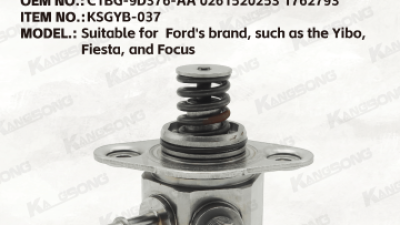
Optimizing performance in vehicles is crucial for enhancing the driving experience, particularly for Ford models like the Yibo, Fiesta, and Focus. One effective way to ensure optimal performance is by upgrading to high pressure fuel pumps specifically designed for these vehicles. The compatibility of these pumps with Ford's engineering allows for efficient fuel delivery, ensuring that engines run smoothly and effectively.
The high pressure fuel pumps compatible with Ford vehicles come with specific OE numbers, such as C1BG-9D376-AA and CM5G-9D376-GA, among others. These numbers correspond to a range of models including the Ford Ecosport CBX (2012 and later), Ford Fiesta EG (2013), and Ford Focus F1 (2015). Installation of these pumps is straightforward and can significantly enhance engine performance and fuel efficiency, reflecting insights derived from industry data reports.
Replacing a standard fuel pump with one of these Ford-compatible high pressure options not only improves performance but also extends the lifespan of the engine. By ensuring the optimal fuel pressure and flow required by the engine, drivers can experience better acceleration, improved throttle response, and overall enhanced vehicle reliability. This makes such upgrades a valuable investment for any Ford vehicle owner looking to get the most out of their driving experience.
FAQS
: Modern fuel pumps, especially brushless models, have significantly improved reliability and longevity by eliminating mechanical brushes, reducing friction, and enhancing efficiency.
The automotive fuel pump market is projected to grow at a CAGR of 6.15% from 2023 to 2028, driven by the increasing demand for fuel-efficient vehicles.
EFI optimizes engine performance and minimizes emissions, helping vehicles meet stricter environmental standards.
Reputable manufacturers invest in research and development, ensuring that their products feature the latest technology and innovations for optimal performance and efficiency.
Fuel pumps are designed to optimize fuel delivery, reduce waste, and support greener vehicle transitions, thereby contributing to lower carbon footprints and improved efficiency.
The integration of eco-friendly materials and energy-efficient components in fuel pump production helps manufacturers meet stringent environmental regulations and promotes cleaner transportation options.
Regular maintenance checks are essential to ensure that a fuel pump operates at peak efficiency, which can enhance overall vehicle performance.
The evolution of traditional fuel systems, including innovations like those from Baic, is crucial to adapting to the growing popularity of electric and hybrid vehicles while addressing environmental concerns.
Conclusion
Hey, have you ever wondered about the future of car efficiency? I came across this article called "Exploring the Future of Automotive Efficiency: The Role of Baic Fuel Pumps in Modern Vehicles," and it really dives into some exciting developments. It talks about how tech for fuel pumps has come a long way—these days, modern innovations are making engines run smoother, use fuel more efficiently, and just improve overall driving experience. One thing that really stood out is how Baic Fuel Pumps, with their sleek design and high-performance features, are a cut above the old-school models—offering better reliability and efficiency, no doubt.
The article also looks ahead, discussing upcoming innovations in fuel pump design and what that could mean for a more sustainable auto industry. With environmental concerns getting more serious, Baic Fuel Pumps seem like a pretty important step in building greener cars. Oh, and by the way, Zhejiang Kangsong Power Technology Co., Ltd., the company behind these pumps, has been pushing boundaries since 2004. They’re really staking their claim as leaders in R&D and manufacturing of modern fuel injection systems, which shows just how bright the future is for automotive tech like this.