Leave Your Message
Picking out the right Toyota fuel pump might not sound like a big deal, but honestly, it’s a pretty big deal when it comes to keeping your car running smoothly and efficiently. As car tech keeps evolving, fuel pumps have become more than just a part—they’re key players in how well your engine performs and how much fuel you actually use. Did you know? The global fuel pump market is expected to hit around $8.94 billion by 2026. That’s mostly because folks are really into fuel-efficient cars and automakers are always pushing new tech. When you’re shopping for a Toyota fuel pump, it’s super important to think about what your specific car needs. Also, pay attention to the brands you trust. For instance, Zhejiang Kangsong Power Technology has been around since 2004 and they’re pretty much experts in the game—they’ve even pioneered brushless fuel pumps in China! So, if you’re after something reliable and high-performing, that’s definitely a brand worth considering.
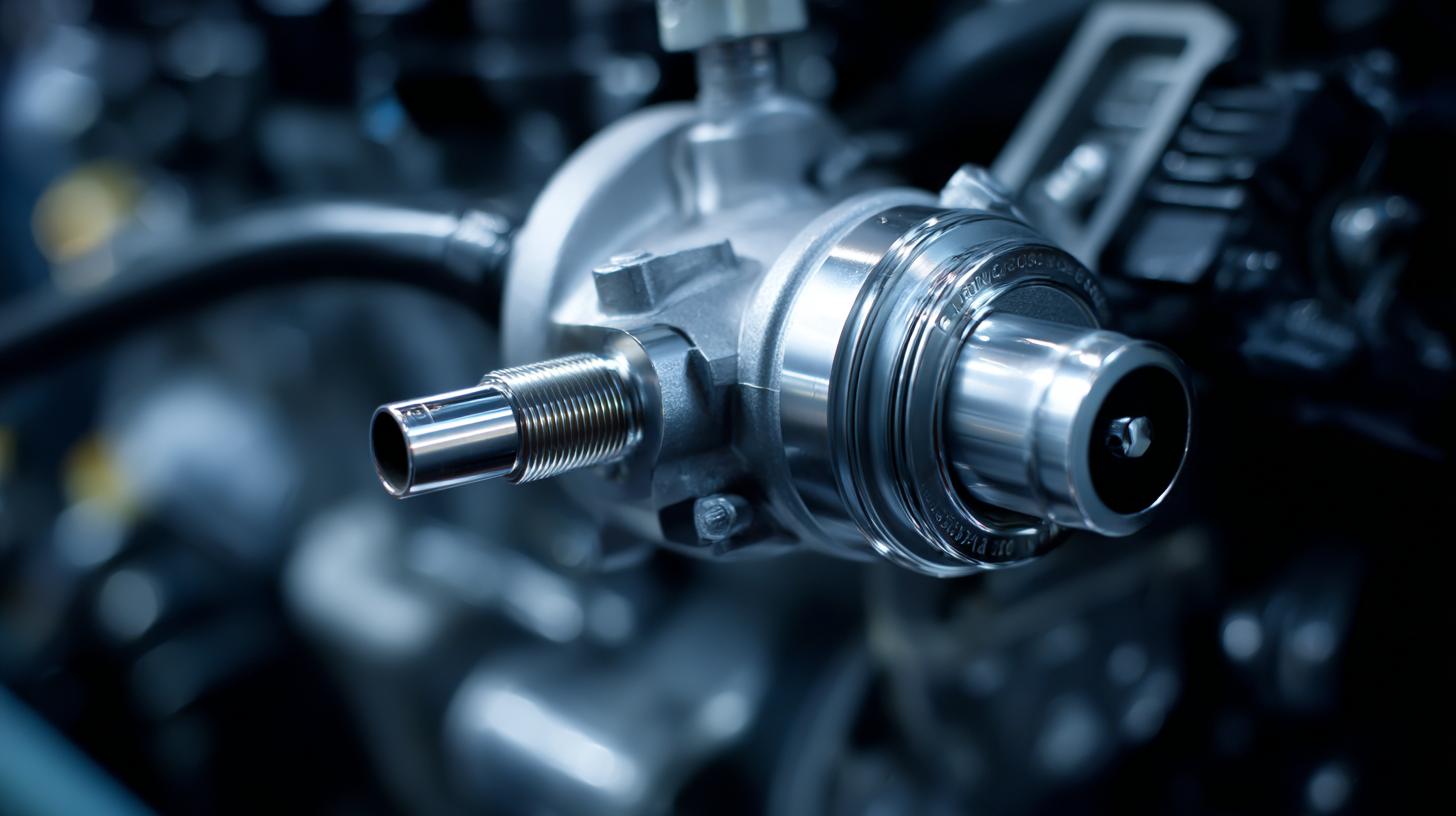
When you think about your car’s fuel pump, it’s pretty clear just how important it really is. Basically, it’s the part responsible for moving fuel from the tank right to the engine — simple, but crucial. If you’ve got a good quality pump, your car’s going to run smoothly, use fuel efficiently, and be more reliable overall. On the flip side, recent recalls due to pump failures serve as a good reminder — picking the right pump really makes a difference. A faulty one could cause your engine to stall or act up in other annoying ways.
So, how do you pick the right fuel pump? Well, first off, double-check that it’s compatible with your specific vehicle. Then, it’s worth looking at the flow rate; a pump that meets or exceeds what the manufacturers recommend can really help improve your car’s efficiency and lifespan. Also, going for a pump made from sturdy, durable materials definitely helps cut down on breakdowns.
And don’t forget about the type of fuel you’re using. Blends like E10 or E20, which have renewable ethanol, can actually boost how efficiently your engine burns fuel — but they might also put extra stress on your pump if it’s not designed for those blends. Keeping an eye out for any recalls or updates about fuel pumps is smart — it helps keep your ride running smoothly and safely.
| Fuel Pump Type | Compatibility | Flow Rate (L/h) | Pressure Range (psi) | Average Lifespan (miles) | Cost ($) |
|---|---|---|---|---|---|
| In-Tank Fuel Pump | Toyota Camry (1997-2001) | 120 | 40-60 | 100,000 | 150 |
| External Fuel Pump | Toyota Corolla (2003-2008) | 90 | 30-50 | 80,000 | 120 |
| High-Performance Fuel Pump | Toyota Supra (1993-1998) | 200 | 60-80 | 120,000 | 250 |
| Aftermarket Fuel Pump | Toyota RAV4 (1996-2000) | 110 | 35-55 | 70,000 | 80 |
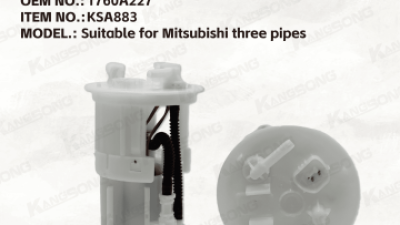
Upgrading your Mitsubishi Pajero Montero is not just about enhancing performance but also about ensuring reliability and longevity. One essential upgrade that many owners should consider is the fuel pump assembly, particularly for the V93, V95, and V97 models. This component is vital for maintaining the vehicle's fuel efficiency and overall functionality. The OE number 1760A227 is specifically designed to suit these models, providing a perfect fit that guarantees optimal operation.
This fuel pump assembly is compatible with various Mitsubishi models, including the L200 from both Brazil and China, as well as the Montero in Mexico and Pajero Sport in Indonesia. For Pajero Montero enthusiasts, ensuring that you have the correct assembly is crucial, as it supports engines ranging from 3.0 to 3.8L. Whether you're driving a classic Pajero from 1982-2004 or a newer model, upgrading the fuel pump can result in better fuel management and smoother engine performance.
Investing in a reliable fuel pump assembly not only enhances your vehicle's performance but also protects your investment in the long run. As you consider upgrades for your Mitsubishi, make sure to include the fuel pump assembly to enjoy seamless driving experiences, improved efficiency, and maintain the integrity of your trusted SUV.
: The primary function of a fuel pump is to deliver fuel from the tank to the engine, which is crucial for optimal performance, fuel efficiency, and engine reliability.
A high-quality fuel pump enhances vehicle performance and fuel efficiency, while a malfunctioning pump can lead to engine stalls and other serious performance issues.
When selecting a fuel pump, consider its compatibility with your vehicle model, its flow rate, and ensure that it meets or exceeds OEM specifications for improved efficiency and longevity.
Fuel blends containing renewable ethanol, such as E10 and E20, can enhance combustion efficiency but may also affect pump durability if not matched with the appropriate pump model.
Incorrect installation, such as using the wrong fuel pump model, can lead to operational failures and significant decreases in fuel efficiency, impacting overall vehicle performance.
It is advisable to replace the fuel filter every 15,000 miles to prevent clogging and unnecessary strain on the fuel pump.
Regular maintenance checks, replacing the fuel filter, and keeping the fuel tank level above one-quarter full can help prolong the life of your fuel pump.
Poor maintenance can lead to increased fuel system issues and reduced fuel pump efficiency, with studies indicating that regular checks can lower the occurrence of such issues by up to 40%.
Staying informed about updates and recalls related to fuel pumps is essential to ensure that you select a safe and reliable component for your vehicle.
Allowing your fuel tank level to drop below one-quarter full can lead to debris clogging the fuel system, which may negatively impact the fuel pump's performance.
Picking out the right fuel pump for your Toyota might sound like a small detail, but it really makes a big difference in how your car runs. First off, it helps to understand what a fuel pump actually does — basically, it’s the part that delivers the right amount of fuel to your engine, so everything runs smoothly. If your car’s starting to act up, like sputtering or just having trouble firing up, those could be signs that your fuel pump is on the fritz. Catching these issues early can save you a ton of trouble and cash down the line. When you're on the hunt for a fuel pump that fits your specific Toyota, keep in mind things like compatibility, the type of pump, and overall quality—those details really matter.
Now, if you’re wondering where to turn, Zhejiang Kangsong Power Technology Co., Ltd. is doing some pretty exciting stuff with brushless fuel pumps. They have a range of dependable options that work well with Toyota models. And honestly, if you stick to good quality brands, and make sure your installation and maintenance are on point, you'll be giving your Toyota a boost in both performance and lifespan. It’s all about taking the right steps to keep your ride running like a champ.
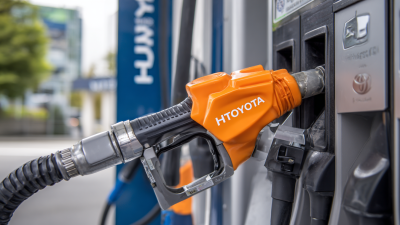
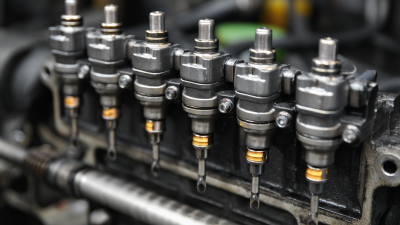


 Choosing the right fuel pump for your Toyota isn’t just a simple pick — it’s something you want to get right for your truck or car to run smoothly. First off, it’s