When it comes to keeping your car running smoothly, choosing the right fuel pump is pretty darn important. With so many options out there, it’s easy to feel a bit overwhelmed — trust me, I’ve been there! For Audi fans especially, having a reliable and efficient fuel pump is more than just a nice-to-have; it really makes a difference. This little component is what makes sure your engine gets the right amount of fuel, which in turn affects your car’s power, fuel economy, and overall performance.
As we go through what to keep in mind when picking a fuel pump, don’t forget to look at compatibility, performance specs, and the reputation of the brand. Getting these details right means your car will run better and last longer — whether you’re swapping out an old, tired part or upgrading for a boost in performance. The tips I’ve shared here are meant to help you find the perfect match for your ride, making your driving experience smoother and more enjoyable.
Understanding the Functionality of Fuel Pumps in Vehicles
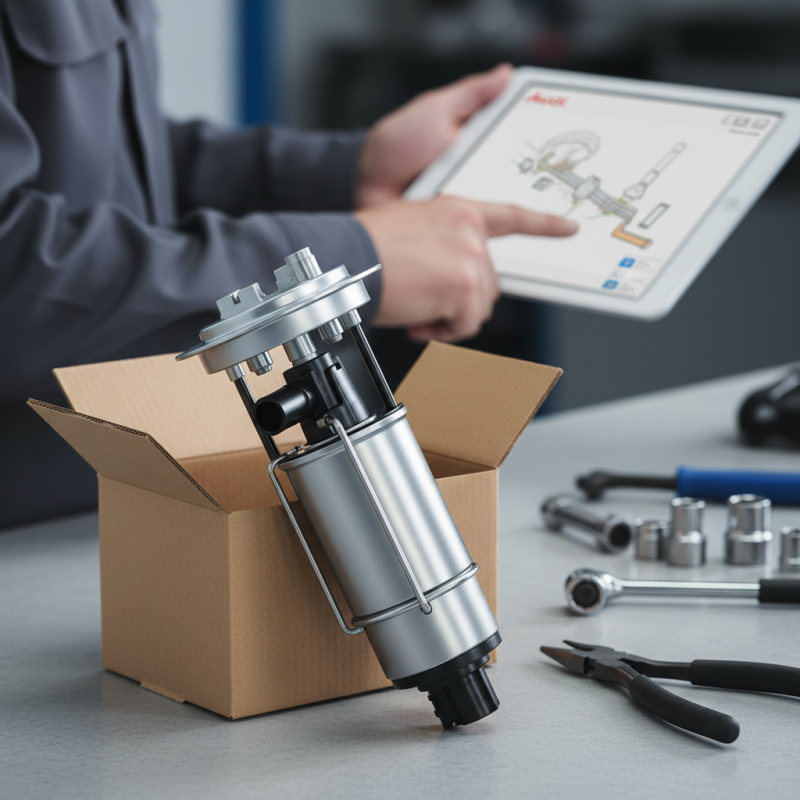
Fuel pumps are a critical component in the operation of internal combustion engines, playing a vital role in delivering the right amount of fuel to the engine. Understanding their functionality is essential for maintaining vehicle performance and ensuring efficient fuel usage. A well-functioning fuel pump maintains the optimal fuel pressure, which is crucial for mixing fuel with air in the combustion chamber. According to the Automotive Aftermarket Suppliers Association, nearly 20% of fuel pump failures can lead to engine performance issues, highlighting the importance of choosing the right fuel pump.
There are two primary types of fuel pumps: mechanical and electric. Mechanical pumps, often found in older vehicles, rely on engine vacuum to draw fuel from the tank, while electric pumps are used in modern vehicles, providing more consistent fuel delivery across varying engine demands. The Society of Automotive Engineers notes that electric pumps, which tend to operate at higher pressures, are better suited for high-performance engines, providing necessary reliability and efficiency. Understanding these distinctions can help vehicle owners select the right pump, influenced by factors such as engine size, application, and fuel type.
In addition, certain fuel pump features, such as the ability to withstand fluctuating temperatures and resist corrosion, can greatly enhance durability and performance. According to an industry report by IHS Markit, the global market for fuel pumps is projected to reach $6.7 billion by 2025, indicating the increasing relevance of fuel pump technology in vehicle performance. Therefore, considering the functionality, type, and specific features of fuel pumps will lead to better-informed decisions, ultimately enhancing vehicle efficiency and longevity.
Identifying the Different Types of Fuel Pumps Available
When it comes to selecting the right fuel pump for your vehicle, understanding the different types available is crucial for optimal performance. Generally, fuel pumps can be categorized into two main types: mechanical fuel pumps and electric fuel pumps. Mechanical fuel pumps, often found in older vehicles, use an engine-driven diaphragm that draws fuel from the tank. According to the International Journal of Automotive Engineering, these pumps are generally favored in simpler systems due to their reliability and ease of replacement.
On the other hand, electric fuel pumps have become the standard in modern automobiles, owing to their efficiency and ability to manage higher fuel pressures required by contemporary fuel injection systems. They are typically submerged in the fuel tank and are known for providing consistent fuel flow. According to a report by the Society of Automotive Engineers, electric pumps contribute to approximately 75% of fuel pump sales in the automotive sector. Understanding the benefits and limitations of each type can help you make an informed choice, tailored to your specific vehicle requirements and driving habits.
2025 Top Tips for Choosing the Right Fuel Pump for Your Vehicle
This chart illustrates the different types of fuel pumps available and their respective popularity among vehicle users in 2025. Understanding these variations can help you choose the right fuel pump for your vehicle.
Factors to Consider When Choosing a Fuel Pump
When selecting the right fuel pump for your vehicle, there are several crucial factors to consider to ensure optimal performance. First, it is essential to evaluate the fuel pump type—mechanical versus electric. According to a report from the Automotive Fuel Pump Market, electric fuel pumps offer more efficiency and precision in fuel delivery compared to their mechanical counterparts, making them the preferred choice for modern vehicles. Understanding your vehicle's specific requirements, including fuel type, engine size, and power demands, can significantly influence your decision.
Another key factor is the pump's flow rate and pressure rating, which are critical for maintaining adequate fuel supply to the engine under varying operating conditions. Research from the Society of Automotive Engineers highlights that a mismatched flow rate can lead to engine performance issues, such as stalling or poor acceleration. Additionally, consider the durability and material quality of the fuel pump. Fuel pumps made from high-grade materials are known to last longer and resist corrosion, which is supported by the findings in the Fuel Systems Journal, indicating that pumps with superior construction can extend vehicle lifespan and reduce long-term maintenance costs.
By focusing on these vital aspects—pump type, flow rate, pressure rating, and material quality—you can make an informed choice that not only enhances your vehicle's performance but also maximizes its longevity.
Compatibility: Ensuring the Right Fit for Your Vehicle Model
When selecting a fuel pump for your vehicle, compatibility is paramount. Each vehicle model has specific requirements based on its engine design, fuel system configuration, and performance needs. Using a fuel pump that is not compatible with your vehicle can lead to inadequate fuel delivery, engine performance issues, and potential damage to the fuel system. Therefore, it is crucial to reference your vehicle’s manual or consult with a professional to identify the exact specifications needed for a proper fit.
To ensure the right fit, consider factors such as the fuel pump type (mechanical or electric), flow rate, pressure ratings, and connector types. Pumps are designed to operate under certain conditions, and deviations from these can result in failure. Additionally, checking the fuel pump's dimensions and installation fittings will help confirm compatibility with your vehicle’s existing infrastructure.
With the right fuel pump, you enhance not only the performance and efficiency of your vehicle but also prolong its lifespan by preventing issues caused by improper fuel delivery.
Evaluating Fuel Pump Performance and Efficiency Ratings
Evaluating fuel pump performance and efficiency ratings is crucial for ensuring optimal vehicle functionality. According to industry reports, a well-performing fuel pump should maintain a flow rate of approximately 30-50 gallons per hour, depending on the engine size and requirements. A fuel pump’s efficiency is often measured by its ability to deliver the right amount of fuel at consistent pressure, which is essential for maintaining engine performance and fuel economy. Recent data highlights that fuel pumps with efficiency ratings above 75% can significantly enhance overall vehicle performance and reduce fuel consumption, contributing to lower carbon emissions.
When selecting a fuel pump, it’s important to consider factors such as pressure ratings, flow consistency, and materials used in construction. A study by the Society of Automotive Engineers indicates that pumps with high-quality materials not only have longer lifespans but also perform better under varying temperature conditions, which is critical for modern engines. Furthermore, pumps should undergo rigorous testing to ensure they meet or exceed the minimum performance standards, which typically range between 40-80 psi for pressurized systems. Investing time in understanding these performance metrics can lead to better fuel efficiency and extended vehicle lifespan, offering valuable insights for vehicle owners looking to optimize their fuel system.
Recognizing Signs of Fuel Pump Failure or Deterioration
When it comes to maintaining the performance of your vehicle, recognizing signs of
fuel pump failure or deterioration is crucial.
One of the most common indicators is a decrease in engine power
during acceleration. If you notice that your vehicle struggles to gain speed or feels sluggish,
it could be a sign that the fuel pump is not delivering the necessary fuel to the engine.
Paying attention to unusual noises, such as whining or buzzing sounds
coming from the fuel tank area, can also indicate a malfunctioning pump.
Another telltale sign is fluctuations in the engine's performance.
If you experience sputtering or stalling, especially during idling or low-speed driving,
it may point to an issue with the fuel pump's ability to maintain consistent fuel pressure.
Additionally, look out for warning lights on the dashboard,
particularly those related to the fuel system. Regularly monitoring these symptoms can help you address
potential fuel pump problems early, ensuring your vehicle runs smoothly
and efficiently.
Researching Brands and Reading Reviews for Reliability
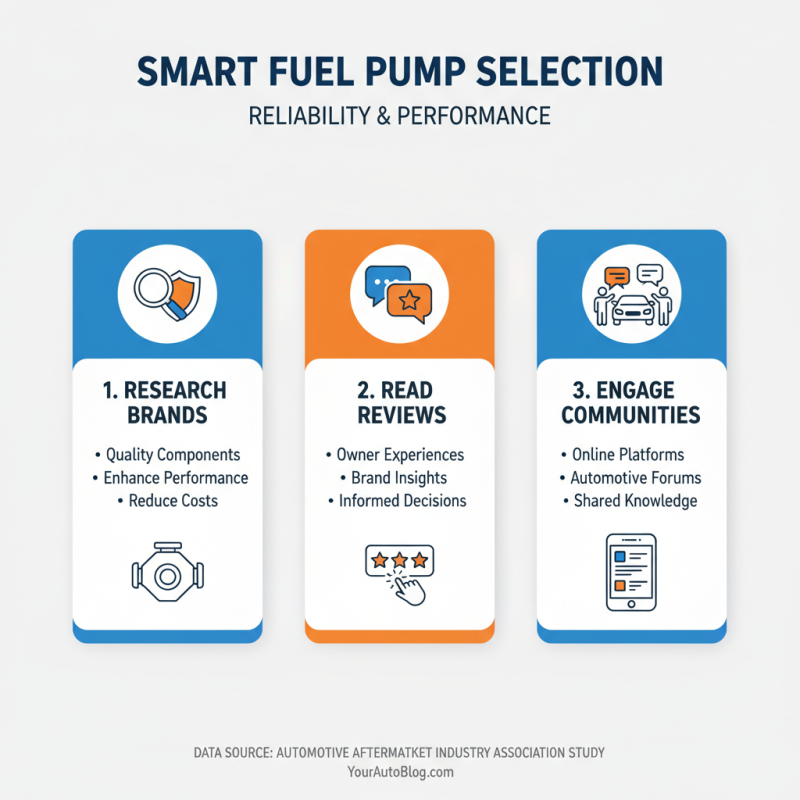
When selecting a fuel pump for your vehicle, one of the most critical steps is to research brands and read reviews to ensure reliability. A substantial study by the Automotive Aftermarket Industry Association indicates that choosing high-quality components can enhance vehicle performance and reduce maintenance costs. Engaging with online platforms and automotive forums not only allows you to gain insights into different brands but also to gather experiences shared by other vehicle owners, helping you make a more informed decision.
Tip 1: Look for Pumps with High Ratings – Focus on fuel pumps that consistently receive high ratings from users. Products with a minimum of 4 stars on popular e-commerce sites often indicate a reliable performance record. Check if the pump has been tested under various conditions, especially if you live in areas with extreme weather.
Additionally, consider the longevity of the brand in the market. According to a survey from the Specialty Equipment Market Association, brands with over ten years of experience tend to offer more consistently reliable products compared to newer entrants.
Tip 2: Evaluate Customer Feedback – Pay close attention to the user reviews, especially those concerning ease of installation and after-sales support. Reviews that mention long-term reliability over several months or years can signal that the fuel pump will effectively meet your vehicle's needs.
Incorporating these tips into your selection process can help ensure that you choose a fuel pump that not only fits your vehicle but is also known for its reliability and performance.
Optimizing Fuel Efficiency: The Impact of High-Quality Fuel Pump Assemblies on Land Rover Discovery Sport Performance (2015-2018)
When optimizing the fuel efficiency of vehicles, the quality of fuel pump assemblies plays a critical role, particularly for models like the Land Rover Discovery Sport (2015-2018). High-quality fuel pump assemblies ensure that the engine receives a steady and sufficient supply of fuel, which is essential for optimal performance. According to industry studies, proper fuel delivery can improve engine efficiency by up to 20%, significantly enhancing overall fuel consumption and reducing emissions.
For the 2015-2018 Land Rover Discovery Sport with a 2.0L L4 engine, using a reliable fuel pump assembly is imperative. Products such as the one identified with OE numbers LR065349, J9C3-9H307-BA, and FK72-9H307-AA are specifically designed to meet the rigorous demands of these vehicles. A well-functioning fuel pump assembly not only boosts performance but also contributes to the longevity of the engine. It's important to note that similar assemblies are compatible with other models like the Jaguar E-Pace from 2018 to 2020, optimizing their fuel systems and enhancing driving dynamics.
Research shows that high-quality components in fuel systems can lead to improved acceleration and throttle response. For drivers of the Land Rover Discovery Sport, the enhancement in fuel efficiency translates to fewer trips to the gas station and a reduced carbon footprint. By prioritizing these components, owners can enjoy better performance and savings, reinforcing the importance of investing in quality parts for their vehicles.
FAQS
: The two main types of fuel pumps are mechanical fuel pumps and electric fuel pumps. Mechanical pumps are often found in older vehicles, while electric pumps are standard in modern automobiles.
Mechanical fuel pumps use an engine-driven diaphragm to draw fuel from the tank, making them reliable and easier to replace in simpler systems.
Electric fuel pumps are efficient, manage higher fuel pressures needed by contemporary fuel injection systems, and provide consistent fuel flow, making them the preferred choice in modern vehicles.
Common signs include a decrease in engine power during acceleration, unusual noises such as whining, fluctuations in engine performance (sputtering or stalling), and warning lights on the dashboard related to the fuel system.
Researching brands and reading reviews ensure you choose high-quality, reliable components that can enhance vehicle performance and reduce maintenance costs.
Look for high ratings (minimum of 4 stars), feedback on ease of installation, and comments on long-term reliability to make an informed choice.
Brands with over ten years of experience tend to provide more consistently reliable products compared to newer entrants in the market.
Engaging with online platforms and automotive forums can provide insights into different brands and user experiences, helping to guide your decision.
Regularly monitoring symptoms like engine power loss or fluctuations in performance can help detect potential fuel pump problems early, ensuring the vehicle runs smoothly.
Pumps that have been tested in diverse conditions are often more reliable, especially in areas with extreme weather, ensuring dependable performance in your vehicle.
Conclusion
When selecting a fuel pump for your vehicle, such as an Audi fuel pump, it’s essential to understand the functionality of various types available on the market. Fuel pumps play a critical role in delivering the right amount of fuel to the engine, and recognizing the signs of failure can prevent significant issues. Factors to consider include compatibility with your specific vehicle model, performance, and efficiency ratings, as these aspects can greatly influence the overall performance of your vehicle.
Additionally, researching reputable brands and reading reviews can provide insight into reliability and longevity. By assessing these elements, you can ensure that the fuel pump you choose not only meets the technical requirements of your Audi but also enhances your driving experience by maintaining optimal vehicle performance.