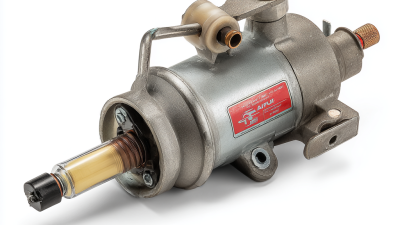
When it comes to tuning up your vehicle and getting the best performance, picking the right Dodge Fuel Injectors really matters. Your engine needs to run smoothly and pack a punch, so understanding what your specific Dodge model requires is pretty important if you're aiming for top-notch results. Here at Zhejiang Kangsong Power Technology Co., Ltd., we've been in the game since 2004, and we take pride in being innovators in the automotive world. We specialize in the research and development of electronic fuel injection pumps and assembly devices, and fun fact—we were the first domestic manufacturer to craft a brushless fuel pump! Our experience helps us provide high-quality, tailored solutions that meet your needs. In this quick and easy checklist, we'll walk you through the key factors to keep in mind when choosing Dodge Fuel Injectors. This way, you can make smarter decisions to boost your engine’s performance and make it last longer.

Getting a good grip on how fuel injectors impact engine performance is pretty important if you're aiming for maximum power and efficiency. Recent research points out that stuff like when the fuel gets injected and the quality of that fuel really make a difference in how well your engine runs—whether it's gasoline or diesel. For example, one study showed that syncing up the injection timing with the intake controls is especially critical, especially when you're at different altitudes where air density changes and can throw off combustion. Plus, direct injection systems have become pretty popular because they help save fuel, which is why most modern cars now use them.
On the flip side, if the gasoline direct injectors get fouled up, performance can take a hit. Things like reduced flow rates and spray issues can happen, and that doesn’t just make your engine run less smoothly—it can also lead to higher emissions and even less power. Luckily, by using advanced modeling, simulations, and data analysis, manufacturers can get a handle on these problems and improve both efficiency and emissions standards. As fuel tech keeps advancing, understanding these complex relationships will be essential for pushing engine performance forward and making vehicles more sustainable—and honestly, it’s pretty fascinating stuff to keep an eye on.
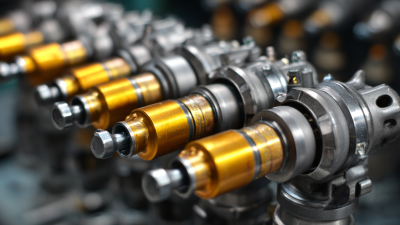
Picking the right fuel injectors for your Dodge isn’t just a detail—it’s pretty much essential if you want your engine to run smoothly and perform at its best. One thing you really want to keep an eye on is the injector’s flow rate. Based on what I’ve read from industry reports, this can make a big difference in how your engine handles air and fuel, affecting everything from power to fuel efficiency. If you choose injectors with a flow rate that’s suited to your specific Dodge model, you could see performance gains of around 15%, giving you more horsepower without draining your gas tank faster.
Another factor that matters—sometimes overlooked—is the spray pattern of the injectors. A good spray creates a better atomization of fuel, which means your engine burns mixture more effectively. This leads to quicker throttle response and even better fuel economy. Studies have even shown that injectors that produce a fine, even mist help boost combustion temperatures and cut down on unburned fuel and emissions. For Dodge, some newer models might use tech like multi-hole nozzles to get that perfect spray. All in all, it’s worth picking injectors that are designed specifically for your engine setup—they’ll give you the best mix of power and efficiency in the long run.
When you're thinking about boosting your Dodge engine’s performance, one of the biggest decisions you’ll face is whether to go with OEM (that’s Original Equipment Manufacturer) fuel injectors or check out aftermarket options. OEM injectors are made to meet the exact specs and quality standards set by the manufacturer, so you can count on their compatibility and reliability. According to a report from SEMA, about 68% of vehicle owners prefer sticking with OEM parts—mainly because they trust that those components will perform well and last a long time.
Now, on the flip side, aftermarket fuel injectors give you a lot of flexibility when it comes to performance upgrades and customization. Many of these are designed to boost flow rates and atomize fuel better, which can really give your engine a performance boost and more horsepower. In fact, a study by the Automotive Performance Industry found that high-performance aftermarket injectors can bump up horsepower by around 15%. That’s pretty tempting for gearheads who want to squeeze every bit of power out of their ride. Just a quick heads-up though—it's crucial to pick brands that are reputable and have a solid track record. Not all aftermarket injectors are made equally, and going for cheap or unknown brands could lead to compatibility hiccups or engine troubles down the road.
When you're trying to pick the right fuel injectors to keep your engine running smoothly, I can't stress enough how important it is to understand the size and flow rate of those injectors. Lately, I've seen that bumping up the injector diameter can really boost performance since it lets more fuel get into the combustion chamber. This is super relevant, especially if you're working with hydrogen blending, where dialing in the precise fuel flow is key to keeping things stable and getting the most energy out of your engine.
On top of that, if you dive into how injectors behave, you'll realize that knowing their spray patterns—especially when flow rates fluctuate—is pretty critical for liquid-fuel systems. Some recent research shows that lowering the fuel flow at different nozzle setups can lead to major changes in the spray, which in turn impacts how well your engine performs. For example, the way swirling flows and spray atomization behave can change a lot depending on the mass flow ratios. Getting a handle on these details helps engine builders pick the best injector setups, making sure they get the most power and fuel efficiency—especially in high-performance builds.
Getting your fuel injectors properly installed and maintained is really key to making sure your Dodge engine runs smoothly. When you're swapping in new injectors, it's super important to start with everything clean—no dirt or debris lying around. Take your time removing the old injectors, and just be careful not to mess up any nearby parts. Before popping in the new ones, I’d recommend rubbing a tiny bit of engine oil on the O-rings—it helps create a good seal and prevents any damage during installation. Also, don’t forget to torque the injectors to the manufacturer’s specs; that way, you’ll avoid leaks and get the best performance out of them.
Keep in mind, maintaining your fuel injectors isn’t just a one-time thing. Regular check-ups and cleaning can really make a difference because, over time, carbon buildup and varnish can mess with how well they work. You might consider using a fuel injector cleaning service or adding a quality fuel additive to keep things running smoothly. And pay attention to your fuel pressure and how the engine performs overall—any weird hiccups could be a sign that something’s off with your injectors. If you follow these tips, you'll help your injectors last longer and keep your engine running at its absolute best.
When you're picking fuel injectors for your Dodge, it’s pretty important to avoid the typical mistakes that can mess with your engine’s performance. One of the most common slip-ups? Choosing the wrong size. A lot of folks assume bigger injectors automatically mean better power, but that’s not always true. Going too big can cause fuel delivery problems and even hurt your gas mileage. It’s really about matching the injector size perfectly to your engine’s needs and any mods you’ve done—this way, you get the kind of performance you want without sacrificing efficiency.
Another thing to watch out for is ignoring fuel compatibility. Not all injectors are made for every type of fuel, and using the wrong ones can lead to bad atomization, increased emissions, and other headaches. Oh, and don’t be tempted to go for the cheapest injectors out there just to save some cash. Yeah, they might seem like a good deal upfront, but cheap parts often end up falling apart quicker or not performing as well, which can really put your engine at risk. It’s worth putting in the time to research and pick high-quality injectors that are made for your specific setup. Trust me, in the long run, that’ll pay off big time.
: Fuel injector size is crucial because increasing the diameter allows for a greater volume of fuel to be delivered into the combustion chamber, enhancing engine performance, especially in applications requiring hydrogen blending.
Flow rate significantly impacts injector behavior and spray patterns. Variations in flow rate can lead to differences in spray characteristics, which ultimately affect engine performance and efficiency.
It is important to ensure that all components are clean and free from debris, and to apply a small amount of engine oil to the O-rings for proper sealing during installation.
Regular inspections and cleaning are key. Using a fuel injector cleaning service or a quality fuel cleaner can help remove carbon deposits and varnish that could hinder performance.
Choosing the wrong size injectors can lead to fuel delivery issues and poor fuel economy. It's essential to match the injector size with the engine requirements and modifications for optimal performance.
Not all injectors are designed for every fuel type, and using incompatible injectors can result in poor atomization and increased emissions, negatively affecting engine performance.
Opting for the cheapest fuel injectors can compromise quality and durability, potentially jeopardizing your engine's performance. It's better to invest time in researching high-quality options suitable for your vehicle.
By monitoring fuel pressure and engine performance for any irregularities, you can detect potential problems with the injectors that may need attention.
Fuel varnish accumulation can hinder injector performance, making regular maintenance and cleaning essential to ensure they operate efficiently.
It is important to torque the injectors to the manufacturer's specifications to ensure optimal performance and prevent leaks after installation.