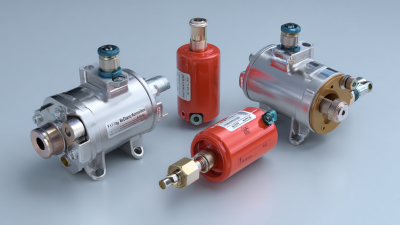
You know, the importance of a high-quality Original Fuel Pump Assembly really can’t be stressed enough. It’s super crucial for making sure your vehicle runs smoothly and efficiently. In fact, reports show that a lot of automotive failures actually stem from fuel delivery issues, which just goes to show how vital reliable fuel pump systems are. Here at Zhejiang Kangsong Power Technology Co., Ltd., we’ve been pushing the envelope in innovation since 2004, focusing on R&D and making top-notch electronic fuel injection pumps. We were even the first company in the country to create a brushless fuel pump! So, we really get the fine details that lead to a fantastic fuel pump assembly and how it can affect your engine’s performance and lifespan. If you want your car to be both reliable and efficient, investing in a premium Original Fuel Pump Assembly is really a no-brainer.
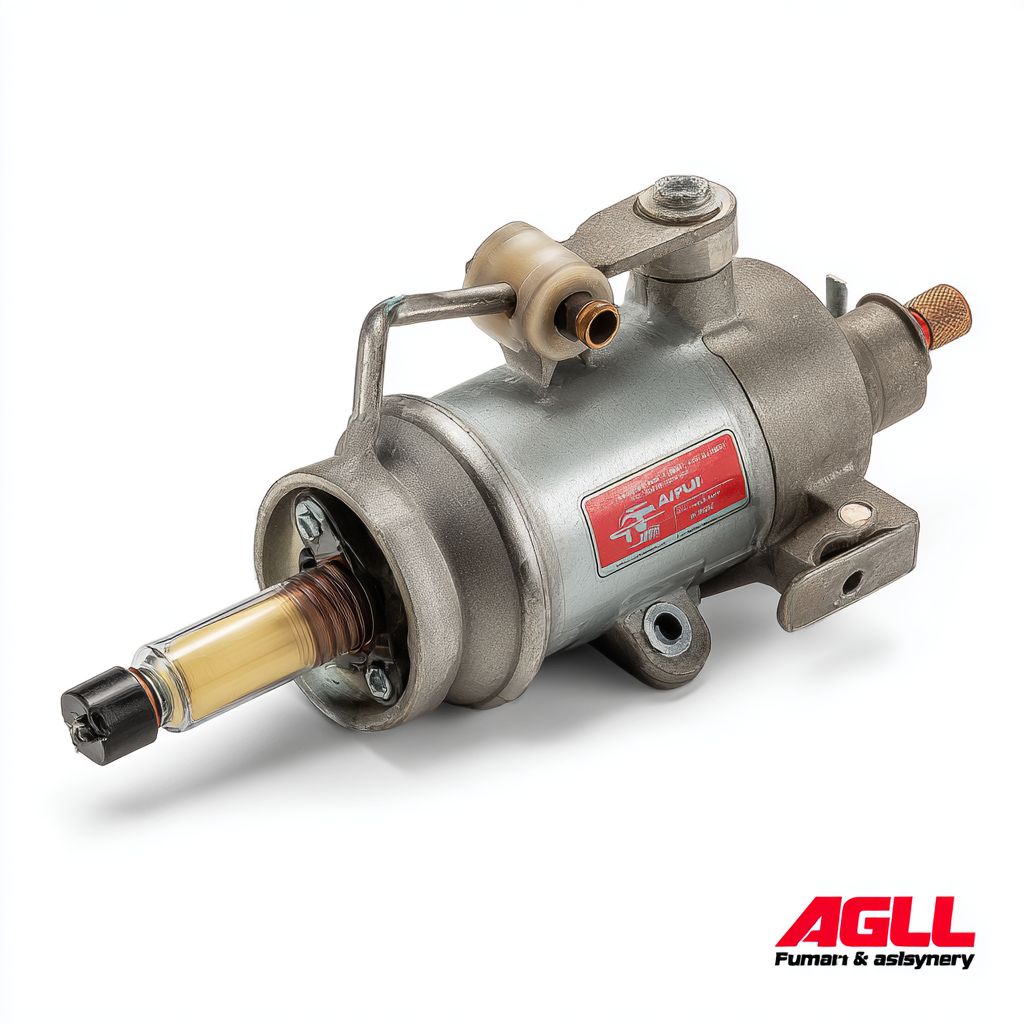
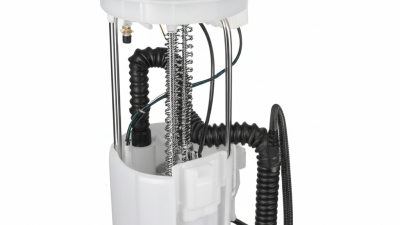
So, let’s talk about the fuel pump assembly—it’s super important for your vehicle! This little workhorse is what moves fuel from the tank to the engine, and it really has a big say in how well your car performs and how efficient it is. If there’s a hitch in the fuel pump assembly, you might find yourself dealing with stalling, sluggish acceleration, or just a cranky engine overall. Keeping that fuel pump in tip-top shape is key for making sure your engine runs smoothly, burns fuel efficiently, and lasts for the long haul.
Now, here’s the deal: the quality of your fuel pump assembly doesn’t just affect your engine; it really influences how your whole driving experience feels. When you go with high-quality OEM parts, you know they fit your vehicle perfectly and are built to last—because they’re made just for your ride. On the flip side, those cheap knock-off parts? They can really mess things up, leading to annoying repairs and replacements. So, if you invest in a solid fuel pump assembly, you’re setting yourself up for a smooth ride, better fuel economy, and lower emissions. Plus, who wouldn’t want a car that feels more responsive and fun to drive?
So, you're on the hunt for the perfect original fuel pump assembly for your car? That’s awesome! But before you dive in, there are a few key things you should totally keep in mind to really boost your vehicle's performance and make it last longer. First off, let's talk about materials. You really want to pick one made of high-quality stuff—think reinforced plastics and sturdy metals. These materials can take some serious heat and pressure without giving up on you.
Now, don’t forget about compatibility! It’s super important to get a fuel pump that matches your car's make and model. These original assemblies are designed specifically for your engine, and trust me, they make a world of difference when it comes to fuel flow and pressure. Before you buy, just take a second to double-check the part number and specs to make sure it’s a perfect fit.
**Pro tip:** Seriously, give reviews a read and ask around with trusted mechanics or check out some automotive forums. You’ll get the inside scoop on how reliable different brands and models are.
Oh, and another thing—you definitely want to pay attention to the warranty. A solid warranty is a good sign that the manufacturer believes in their product's durability. Plus, it gives you that warm fuzzy feeling knowing you’re covered if anything goes wrong.
**Another tip:** When you're ready to install your new fuel pump, consider giving your fuel tank a good clean to get rid of any gunk. Doing this helps your new assembly work like a dream and extends its life a bit.
You know, when we talk about keeping your engine running smoothly, the quality of your fuel pump assembly is super important. I came across this report from the Automotive Aftermarket Industry Association (AAIA) that says a good fuel pump can boost your engine's efficiency by as much as 30%. Can you believe that? Not only does this mean you’ll get better gas mileage, but it also helps cut down on nasty emissions. So, if you're all about being eco-friendly, this is definitely something to think about.
And get this—a study from the Society of Automotive Engineers (SAE) pointed out that if you’ve got a cheap fuel pump, it can mess with your fuel delivery. This could lead to engine misfires and wear out your parts faster than you'd like. On the flip side, cars with dependable fuel pump assemblies usually face fewer performance hiccups, which means they last longer and are more reliable. So really, if you want to keep your engine purring like a kitten, investing in a solid original fuel pump assembly is the way to go. It not only boosts performance but can save you some bucks on maintenance down the line.
You know, upgrading to a high-quality fuel pump assembly is super important if you want to keep your vehicle running smoothly for a long time. A report from the Specialty Equipment Market Association (SEMA) actually says that beefing up your fuel system can boost engine efficiency by about 10 to 15%. Pretty cool, right? Not only does that mean more power for your ride, but it also helps with fuel economy, so you’ll save some cash at the gas station over time. And let's be honest, who doesn’t want to save a bit of money?
Plus, there's this study from the Automotive Aftermarket Industry Association (AAIA) that points out that around 30% of vehicle failures are tied to issues with the fuel system. That’s a huge deal! By investing in a solid fuel pump assembly, you can really cut down the chances of dealing with breakdowns caused by fuel delivery problems. High-quality assemblies are usually made with advanced materials that resist wear and tear, which really boosts durability and performance. This not only gives you peace of mind on the road but can also bump up your car's resale value. A well-maintained fuel system? That’s definitely something buyers appreciate!
| Feature | Importance | Benefits of High-Quality |
|---|---|---|
| Durability | Longer lifespan reduces replacement frequency | Resistant to corrosion and wear, ensures consistent performance |
| Flow Rate | Essential for engine performance | Optimized for max power output and fuel efficiency |
| Noise Level | Impact on driving comfort | Quieter operation enhances overall driving experience |
| Compatibility | Critical for proper installation and function | Ensures seamless fit with vehicle's fuel system |
| Warranty | Protection against defects | Peace of mind with extended coverage enhances value |
So, when you’re thinking about picking out the right fuel pump assembly for your ride, there are a few key things to keep in mind that can really make a difference in how well it performs and how long it lasts. First off, make sure the fuel pump you’re eyeing is compatible with your vehicle’s make and model. You know, every car has its quirks and specs, and if you mismatch, it could lead to all sorts of headaches – think inefficiencies or even damage down the line.
**Tip:** Always double-check the manufacturer’s recommendations, or if you’re unsure, don’t be afraid to ask a pro for the right part number.
Next up, it’s super important to look at the pump’s flow rate and pressure. You want a fuel pump that gives your engine just the right amount of fuel at the correct pressure – that’s what keeps it running smoothly. If the pump doesn’t deliver enough fuel, you might notice your acceleration suffers, and your fuel efficiency dives. On the flip side, too much pressure can be a recipe for engine trouble.
**Tip:** Seek out products that come with specs or datasheets, so you can compare flow rates and pressures to what your vehicle specifically needs.
Finally, consider the quality of the fuel pump assembly you’re buying. Yeah, a high-quality original part might hit your wallet a bit harder upfront, but trust me, it’ll save you cash in the long haul with less maintenance needed and a better lifespan overall.
**Tip:** Stick with trusted brands or suppliers that have good reviews – that way, you can have more confidence that you’re getting a reliable pump that’s gonna do right by your vehicle.
You know, if your fuel pump starts acting up, it can really mess with your car’s performance. Seriously, if you don’t take care of it quickly, you might face some serious issues down the road! So, how do you know if your fuel pump is on the fritz? Well, some common signs include having trouble starting your engine, hearing weird noises from the fuel tank, or feeling your car just not accelerating like it used to. And if your engine starts sputtering or stalls while you’re cruising at high speeds, that’s definitely a red flag that you need to get your fuel pump checked out ASAP.
To keep your fuel pump running smoothly, you really ought to have it inspected regularly. Here’s a little tip: try to keep your fuel tank at least a quarter full. It helps keep the pump from overheating, which is a win for your vehicle. Oh, and don’t forget to use a fuel system cleaner every few thousand miles; it can really help clear out any nasty deposits that might be clogging up the filter.
Also, keep an eye on those dashboard lights—if the check engine light pops up, don’t just shrug it off. It could be a sign that there’s something going on with your fuel pump or other important parts.
Being aware of how your car's doing and spotting those warning signs can definitely save you some time and cash in the end. If you think there’s something wrong, just go ahead and consult a professional mechanic. They’ll be able to pinpoint the problem and figure out what’s best for your fuel pump.
: Always check the manufacturer's recommendations or consult a professional to confirm the suitable part number for your vehicle's make and model.
Ensure the fuel pump delivers the right amount of fuel at the appropriate pressure. Insufficient fuel supply can affect acceleration and fuel efficiency, while excessive pressure may damage the engine.
Look for products that provide specifications or data sheets, which allow you to compare their flow rates and pressures against your vehicle’s requirements.
Yes, while high-quality original parts may have a higher upfront cost, they often save money in the long run due to reduced maintenance and enhanced durability.
Signs include difficulty starting the engine, unusual noises from the fuel tank, decreased acceleration, and engine sputtering or stalling at high speeds.
Regularly inspect the fuel pump, keep your fuel tank at least a quarter full to prevent overheating, and use a fuel system cleaner every few thousand miles.
Don’t ignore the check engine light, as it may indicate a problem with the fuel pump or other essential vehicle components. Consult a professional mechanic for diagnosis.
Keeping your fuel tank at least a quarter full can help prevent the fuel pump from overheating.
Regular inspections are essential, and you should also monitor your vehicle's performance regularly to catch problems early.
If you suspect an issue with your fuel pump assembly, it's best to consult a professional mechanic who can diagnose the problem and recommend the appropriate solution.